
How Long to Age Cabernet: A Collector’s Paradox
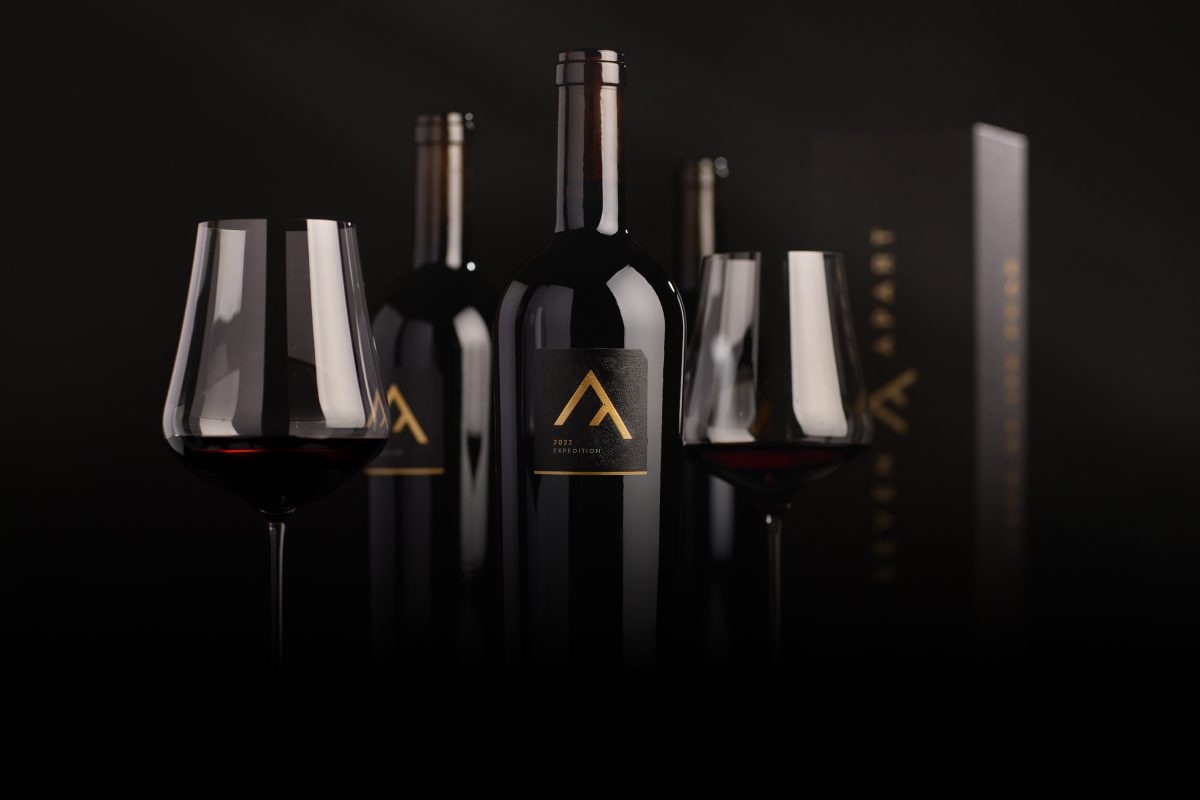
We hear this question in tasting rooms across Napa Valley with ritualistic frequency. “How long should I age this Cabernet?” Behind it sits an assumption that patience always rewards, that delayed gratification trumps immediate pleasure, that somewhere in the darkness of a cellar lies a perfect moment we’re meant to wait for. The truth defies the tidy answer most people want.
The Discipline Required to Wait
The textbooks say: premium Napa Valley Cabernet Sauvignon reaches optimal maturity between 10 and 25 years. The tannins integrate. The fruit evolves from primary expression to secondary complexity. Forest floor replaces blackberry. Leather joins cassis. The wine transforms from what it was into what it becomes.
Push past 30 or 40 years and something more fundamental happens. The wine doesn’t just mature. It transforms into something categorically different from what it was.
Morgan Maurèze brings five generations of winemaking knowledge to Seven Apart. Growing up in the wine industry, he tasted wines from the 1950s and 30s alongside current releases. He appreciates what those older wines become, but he’s also candid about what they require from the drinker. “It’s an acquired taste,” he explains. Not everyone will like them. Not everyone should.
Those decades-old bottles have moved far beyond their fruit-forward youth. They smell of forest floor, mushroom, earth. The fruit is gone. The structure has dissolved into something else entirely. “They’re telling another story,” he notes.
But here’s the critical distinction: that story isn’t necessarily better. It’s different. Sometimes radically so. A wine that transforms completely over 40 years hasn’t achieved its maximum expression. It’s become something else. Whether that something else aligns with what you want from the bottle is unknowable when you’re sliding it into your cellar at vintage release. And the part nobody mentions in those aging charts: most collectors never find out.
The Mathematics of Enjoyment
Studies examining consumer behavior reveal that most retail bottles purchased are consumed within 72 hours. Even among serious collectors maintaining substantial cellars, the wines designated for extended aging often remain untouched, not because of discipline but because of the paralysis of patience. The perfect moment never quite arrives. The occasion never feels quite special enough. The bottle that was supposed to be spectacular at 20 years sits at 25 years, then 30, accumulating not just complexity but anxiety. You paid for wine. You’re storing time. The two are very different things.
What Modern Winemaking Changes
The rules established decades ago were written for different wines, viticultural practices have evolved. The Cabernet Sauvignon being made today in Napa Valley, particularly from high-elevation sites like Atlas Peak, isn’t the same wine your cellar guidelines were written for.
“We changed how we farmed the vineyards,” Morgan notes. Strategic crop thinning, precision canopy management, extended hang time: these adjustments produce fruit with richer tannin structures and higher natural alcohol levels. Both act as preservatives. The wines age longer because they’re built to age longer.
Seven Apart’s mountain-grown Cabernet, stressed by volcanic soils and elevation, develops concentration that demands patience. But that same concentration means the wine offers something compelling at five years that evolves, but not necessarily improves, over the next 15.
The Collector’s Strategy
The wisest approach acknowledges a simple reality: you don’t know what you’ll want in 15 years. Your palate changes. Your life changes. The dinner party you’re planning, the anniversary you’re celebrating, the Tuesday evening when you simply want something beautiful, these moments don’t wait for optimal bottle age.
Buy multiple bottles. Better yet, buy cases. Not for speculation, though that works. Not for bragging rights, though they exist. Buy multiple bottles because the answer to “how long to age Cabernet Sauvignon” is actually “all of the ages.”
Open the first bottle at three years. It’s exuberant, powerful, young. The tannins are present but integrated enough to drink with a proper decanting. You taste what the winemaker intended, what the vineyard expressed, what the vintage delivered. This matters.
Open another at seven years. The wine has settled into itself. The aggression has softened into confidence. You notice layers you missed before. Ten years, 15 years, 20 years. Each opening is not progress toward perfection but evolution through expressions.
Lost in the Waiting
Wine isn’t meant to be theoretical. It’s not an investment vehicle first and a beverage second. The French garage wines Morgan references, those tiny-production, cult-status bottles that changed how we think about collectible wine, didn’t achieve reverence by sitting unopened. They achieved it by being opened, discussed, remembered, compared.
Every bottle you refuse to open is a conversation you didn’t have. Every vintage you save for a tomorrow that never quite arrives is a memory you didn’t make.
The wines from the 1950s that Morgan opens with his family, those aren’t just liquids in bottles. They’re his grandfather’s decisions, his father’s patience, his own inheritance. When he opens them, he’s not consuming value. He’s participating in history. But that only works because someone, at some point, makes the decision to open the bottle.
The Atlas Peak Perspective
At Seven Apart, we farm difficult fruit on purpose. Our Atlas Peak vineyard, planted into volcanic soils where rock removal was deliberately minimal, produces grapes that struggle. That struggle translates to wine with the structure to age decades. Our production stays below 2,000 cases annually specifically because this level of attention doesn’t scale.
These wines will reward patience. They’ll evolve beautifully over 15, 20, 25 years. But they’re also built to be drunk now, tonight, this year. The winemaking philosophy centers on balance from the beginning. We’re not making wines that require aging to become drinkable. We’re making wines that happen to age magnificently.
The distinction matters.
The Real Answer to Aging
How long to age Cabernet Sauvignon? As long as you want. As short as you need. The optimal aging period exists at the intersection of the wine’s development and your desire to drink it. Those two timelines don’t always align, and forcing them to align by waiting for some theoretical perfect moment often means the moment never comes.
If you’re buying a single bottle, the question becomes harder. If you’re buying a case, the question becomes irrelevant. Drink one bottle every few years. Track the evolution. Notice what changes. Decide what you prefer. Your palate is the only authority that matters.
Morgan observes some people love wines at three to five years old, when the fruit is still bold and the tannins are structured but not yet fully polished. Others prefer wines at 10 to 15 years, when secondary characteristics emerge and the wine has found its voice. Neither preference is wrong. Neither is more sophisticated. They’re just different ways of experiencing the same wine at different points in its life.
The mistake is assuming the wine gets better in a linear fashion, that year 20 is somehow superior to year 10 because 20 is a bigger number. Sometimes wines peak. Sometimes they plateau. Sometimes they drift into a different expression that some people love and others find disappointing. The only way to know is to open bottles along the way.
Time and Place, Captured
Wine tells history. The vintage captures the weather of that year, the decisions made in the vineyard, the choices made in the cellar. When you open a 2018 Seven Apart Cabernet in 2035, you’re not just tasting the wine’s evolution. You’re tasting 2018, what the vineyard was that year, what the winemaker chose to emphasize, what the season delivered.
But you’re also tasting 2035, who you are that year, what your palate has become, who you’re sharing the bottle with. The wine is both, always. Past and present, captured and released, patience and immediacy.
There’s gratitude embedded in this act. Someone pruned those vines years ago. Someone made a hundred small decisions in the cellar that you’ll never see, never know about, that have faded completely from memory. Their work is finished. The effort is past. But the fruit of that labor sits in your glass right now, rewarding you for their discipline.
Aging wine is patience, yes. But it’s also recognition. Every bottle that improves with time does so because someone, years ago, built it to. The tannins that integrate so beautifully at 15 years exist because the farming stressed the vines properly. The balance that emerges over decades started with decisions made during harvest. The wine ages well because people you’ll never meet did their work well.
November reminds us to notice what we’re given. The bottle in your cellar is a gift from the past, but only if you open it.
The real question isn’t how long to age Cabernet Sauvignon. The real question is what you’re waiting for, and whether that future moment will ever feel more perfect than right now.
Open the bottle. Make the memory. Save the others for later.
That’s the actual answer.